In insurance, decisions made in minutes can shape outcomes for years. Yet too many agencies are still making those decisions using reporting processes designed decades ago. Spreadsheets, manual data pulls, copious macros, and disconnected systems may feel familiar, but they also carry hidden costs, including slower decision-making, missed opportunities, and a growing gap between what leaders need and what legacy reporting delivers.
Legacy reporting isn’t just outdated, it’s holding agencies back.
The Hidden Costs of Legacy Reporting
At first glance, spreadsheets and legacy systems seem harmless. They are “what we’ve always used,” and many insurance agency teams know their way around them. However, beneath that comfort lies a host of risks and inefficiencies:
- Slow speed of decision-making: Reports often take days to compile, leaving insights outdated by the time they are reviewed.
- Inconsistent versions of the truth: Different teams work from different files, making alignment nearly impossible.
- Errors with real consequences: A single formula mistake can skew compliance reporting or financial accuracy.
- Difficulty interpreting raw data: Endless rows and columns make it hard to see what is really happening in the business.
In a market where client expectations are rising and competitors move quickly, these costs are too high. Legacy reporting doesn’t just delay insights, it undermines confidence and weakens an agency’s ability to act decisively.
Why Insurance Agencies Need Real-Time Clarity
Insurance is built on data, from renewals and commissions to claims and client relationships. But data alone isn’t enough. Agencies have to have access to the answers they need, when they need them. Waiting for reports to be compiled, corrected, and emailed means leaders are reacting to yesterday’s information rather than acting on today’s reality. In other words, the very heart of agency growth and stability is put at risk by slow, fragmented reporting processes.
From Data to Insight Without the Bottlenecks
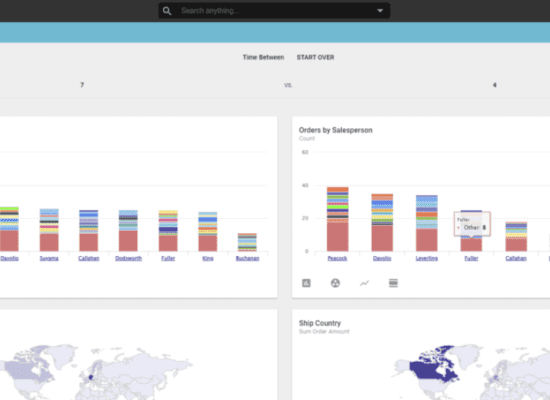
Forward-looking agencies are realizing that legacy tools will not get them where they need to go. The shift is toward systems that consolidate, interpret, and visualize data instantly. Instead of starting from raw information, teams see data that is already structured, contextualized, and aligned.
That shift isn’t just about saving time, it’s about empowering agencies to move faster and smarter. With real-time insights available the moment data is entered, teams can act immediately, align around a single source of truth, and focus on strategy rather than formulating reports. The result is better decisions, made faster, with everyone working from the same page.
Modern reporting should feel effortless, giving you speed, clarity, and confidence every time you make a decision.
What Agencies Should Strive Toward
Leaving legacy reporting behind isn’t about chasing technology for the sake of it. It’s about building a culture and process where data drives growth, not confusion. Agencies that want to stay competitive should be aiming for:
- A confident shift from planning to execution, with decisions delivering measurable impact in real time.
- Short time to value, where insights are available the moment they’re needed, not weeks later.
- Measurable ROI from every decision, ensuring leadership can see results that directly tie to growth, retention, and client satisfaction.
This isn’t a future aspiration, it’s becoming the new baseline. Agencies that embrace it can make decisions with confidence. Those that don’t, risk being left behind.
A Cultural Shift, Not Just a Technical One
Perhaps the most important part of leaving legacy reporting behind is mindset. For decades, teams have accepted delays, inconsistencies, and the heavy lift of interpreting raw data as “just the way it is.” That acceptance is dangerous.
Today, the expectation is different. Agency leaders need to act fast, without waiting for reports or chasing down data. Agencies that recognize this shift are transforming not just their reporting tools but their entire operating culture. They are replacing reactive reporting with proactive decision making.
Don’t Let Legacy Reporting Hold You Back
Legacy reporting has had its day. What once felt like reliable tools are now bottlenecks, slowing down the very decisions that drive agency success. The future belongs to agencies that leave outdated processes behind and embrace data that is clear, timely, and actionable.
In an industry where uncertainty creates hesitation and hesitation costs business, speed wins. The choice is simple, either stay stuck with legacy reporting, or move into a future where your team has the answers they need, when they need them.
Related topic: Speed Wins - Making Decisions Without Bottlenecks
Ready to move faster, see further, and work smarter? Let’s talk.